Health and Safety at XMC
3:51
HEALTH & SAFETY
Clear standards, qualified people and deliberate preparation support every training mission.
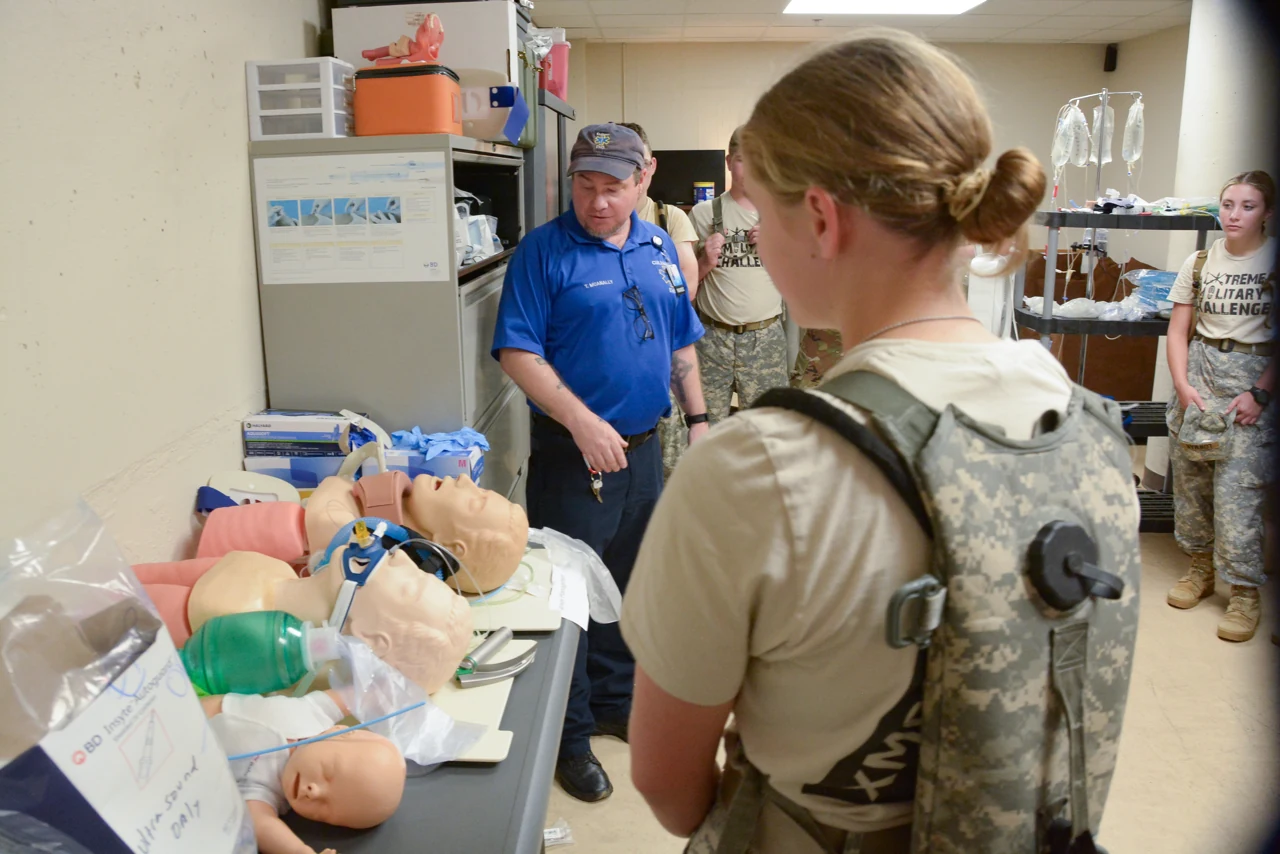
Every Recruit and Cadet must complete the required physical examination and provide complete, accurate health information before training.
Accurate applications, required medical documentation, prescribed preparation and a willing participant are essential. Ask Admissions about concerns before enrolling or arriving.
ON-SITE CARE AND TELEMEDICINE
The Medical Aid Station is staffed by personnel with qualifications appropriate to their roles, including Registered Nurse, Paramedic, EMT or Emergency Medical Responder backgrounds. The team coordinates health histories and physical examinations, scheduled Med Call, routine Sick Call, support for higher-risk activities and parent communication when an accident requires hospital attention. The Medical Services Officer advises the Commander on medical and safety matters.
Liberty Communications, LLC partners with Camp Medical Services for standing orders, nurse and medic training, and dedicated 24/7 telemedicine coverage by an emergency-room physician for Challengers and Cadre.
The service supports physician consultation by phone, text or video, electronic prescriptions when clinically appropriate, and direct documentation in CampMinder electronic medical records. It is intended to improve coordination, prescription access and documentation while reducing unnecessary trips for general medical concerns.
Telemedicine supports the on-site medical team; it does not mean a physician is physically at Camp Liberty around the clock. Staff arrange emergency care when needed. Read the medication and medical-paperwork requirements ↗
ACTIVITY QUALIFICATIONS
High-adventure activities such as range, rappelling and water programs call for facilitators with relevant third-party activity certification. Military experience is complemented by the technical and youth-program training required for the assigned responsibility.
Non-swimmers must identify themselves to Cadre and receive specific instructions before entering the water. All participants follow activity briefings, protective-equipment rules and medical restrictions.
Cadre Screening, Youth Protection & Staffing Context ↗ · Adult Overnight Duty & Accountability ↗
Review the staffing standards and dated program-wide benchmark, then ask Admissions about supervision for the course and activities you are considering.
Camp Liberty’s Standard Operating Procedures define responsibilities and safety controls for training activities. The obstacle-course and marksmanship procedures require:
For live-fire marksmanship, the SOP requires a certified Range Safety Officer, an all-personnel firearms safety briefing, and firearms appropriate to participants’ age, proficiency and physical size. These written standards support deliberate risk management; they do not eliminate the risks inherent in high-adventure activities.
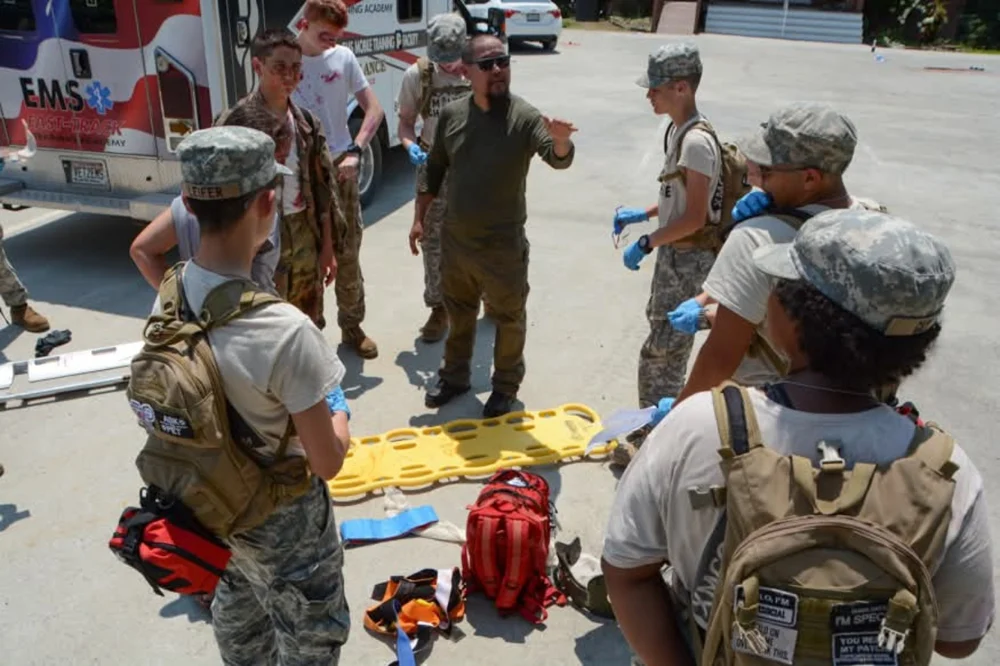
The SOP calls for assigned adult safety observers, activity leadership, medical support and evacuation readiness during water training. Cadets do not serve as the assigned safety observers.
Participants receive a safety briefing and demonstrations before the activity. Non-swimmers must identify themselves to Cadre and receive specific instructions before entering the water. Follow the activity’s instructions, required protective-equipment rules and medical restrictions.
Water activities and venues vary by course. Ask Admissions About Your Course’s Water Activities & Staff Qualifications ↗
Smoking and vaping are prohibited anywhere on Camp Liberty grounds and inside every building. For Cadre, contractors, vendors, guests and visitors, the only exception is inside a privately owned vehicle with all windows closed and completely out of view of Challengers.
Every Cadre member is responsible for enforcement and must immediately direct anyone observed smoking or vaping contrary to this policy to stop. Camp Liberty is an academic and leadership-development environment; the policy is non-negotiable.
The SOP calls for weekly fire drills during the Training Mission, personnel-accountability procedures and severe-weather planning. Cadre coordinate with local emergency services and follow emergency-management guidance as conditions require.
Challengers receive instructions for alarms, evacuation and accountability. Follow Cadre directions promptly, stay with your assigned group and never re-enter a building until authorized. Sleeping-area exits and fire extinguishers must remain unobstructed.
Cadre carry radios during the Training Mission. A base station and repeater at the Command Post extend communications coverage and help staff coordinate across camp.
HEAT, HYDRATION AND RECOVERY
The Command Post continuously monitors Wet Bulb Globe Temperature (WBGT) readings throughout the training day and announces heat categories. These readings guide adjustments to training, hydration, work and rest cycles, and recovery.
Report headache, dizziness, nausea, excessive fatigue, muscle cramps, confusion or a rapid heartbeat to any Cadre member immediately. Drink water before you feel thirsty, follow Cadre hydration instructions and use shade and recovery as directed. Call a Training Time Out when needed so staff can assess the concern.
Cadre apply heat controls to the activity, equipment, conditions and individual Challenger. Defense Centers for Public Health heat-illness prevention reference ↗
PHYSICAL SECURITY & ACCOUNTABILITY
Camp Liberty uses two separate systems to support the safety and accountability of Challengers: electronic lodging alarms and cameras in common spaces.
Electronic alarms are installed in Heritage Hall, Democracy Hall, Republic Hall, Patriot Hall, Freedom Hall and Valor Hall. Each reports to the Command Post and sends notifications to designated key leaders.
During the Training Mission, alarms automatically arm 30 minutes after Taps and disarm 15 minutes before Reveille.
If a door is ajar, the Command Post contacts the Drill Instructor or Platoon Sergeant responsible for that space. A door opening while the system is armed triggers a high-volume alarm at the building and notifications to the Command Post and designated leaders.
Alarms work alongside adult supervision, duty coverage and accountability checks.
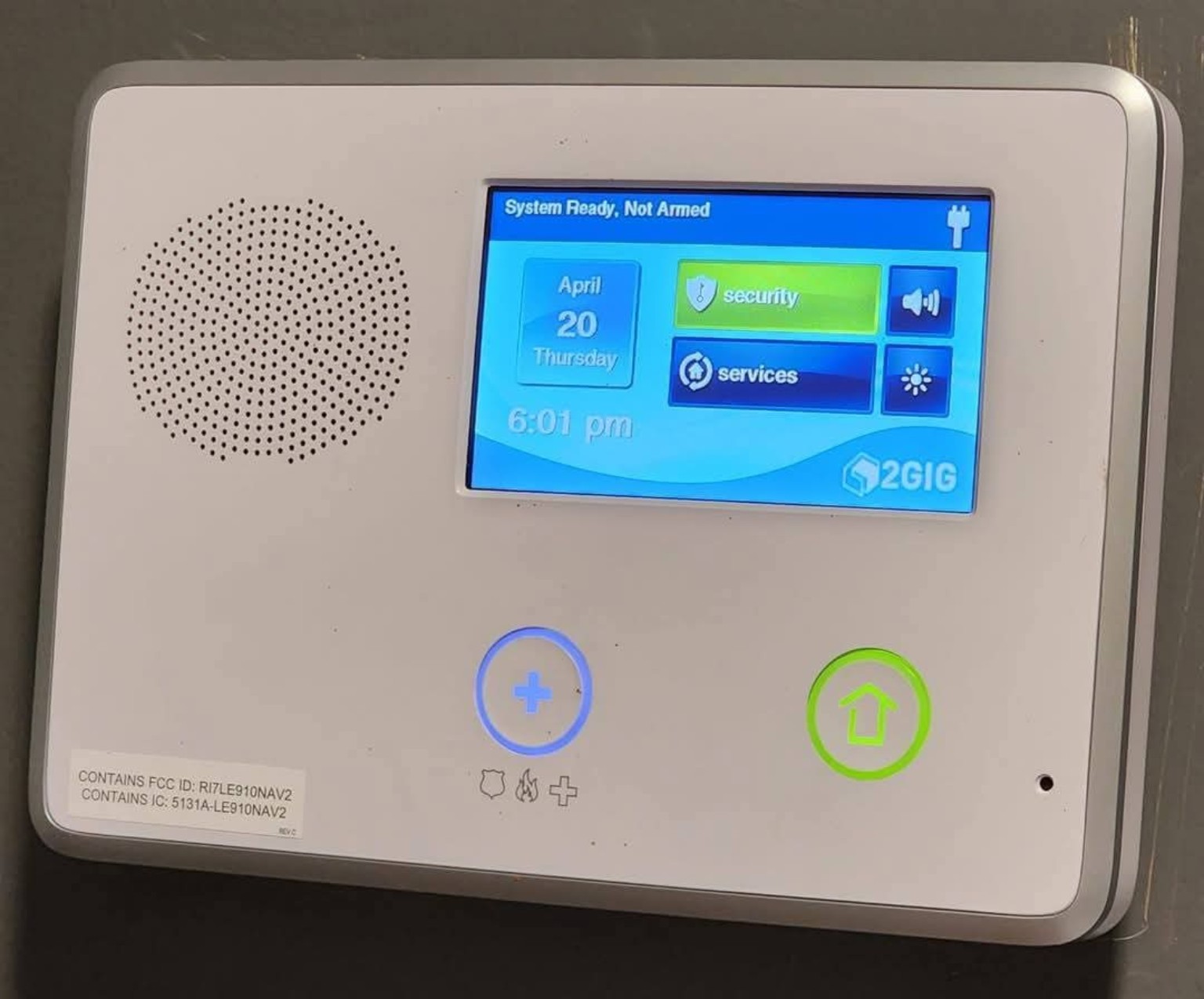
A separate camera system covers common spaces across Camp Liberty and supports security during the summer Training Mission and visits by other groups. Access is limited to designated leaders.
The system is used primarily to review recorded footage and establish what happened in common areas when a concern or incident arises. Cameras are not routinely watched live.
There are no cameras inside lodging spaces. Bedrooms, bathrooms and other private spaces are not filmed.
If someone is injured or a training activity appears unsafe, call “Training Time Out” and follow Cadre directions. Training stops while the concern is assessed.
Tell Cadre promptly if you feel ill, are injured or need medical help, including after hours. Follow medical staff directions and any restrictions placed on your activities.
These are on-camp youth-program support responsibilities. For immediate emergencies, call 911 and notify Cadre.
FAMILY SAFETY RESOURCES
The independent Scouting America parent-safety resource helps families discuss personal safety and recognize concerns. It does not imply affiliation with Scouting America. Conduct Standards & Reporting ↗
HEALTH, SAFETY & WELL-BEING
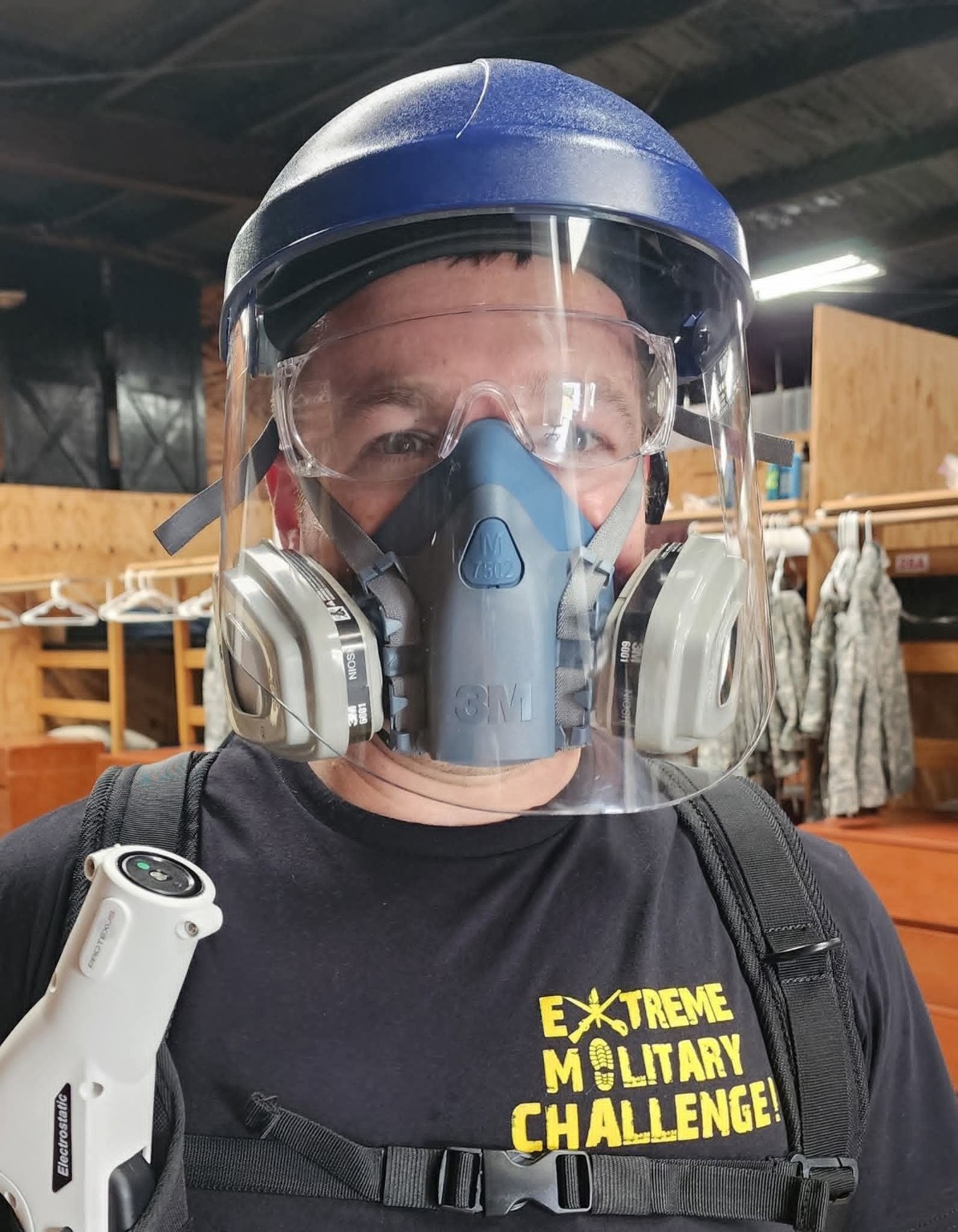
Camp Liberty conducts a weekly sanitation check. All living spaces also receive a weekly disinfectant spray as part of our sanitation routine.
Challengers help maintain their living areas, and barracks are inspected daily. These daily standards complement the weekly sanitation check.
INSURANCE & PARENT TRANSPARENCY
Contact Admissions for current insurance verification and claim instructions. We encourage parents to ask any camp they are considering for comparable transparency.
XMC VIDEO
Review medical preparation, on-camp support and how to report a concern. The video provides additional health-and-safety context.
3:51
YOUR NEXT STEP